Choosing the right fabric is one of the most important steps when buying workout clothing. Whether you enjoy running, cycling, weightlifting, playing football, or exercising at the gym, the material you wear can affect your comfort, performance, and confidence. Good clothing should allow you to move freely, manage sweat, and maintain its shape after repeated washing. 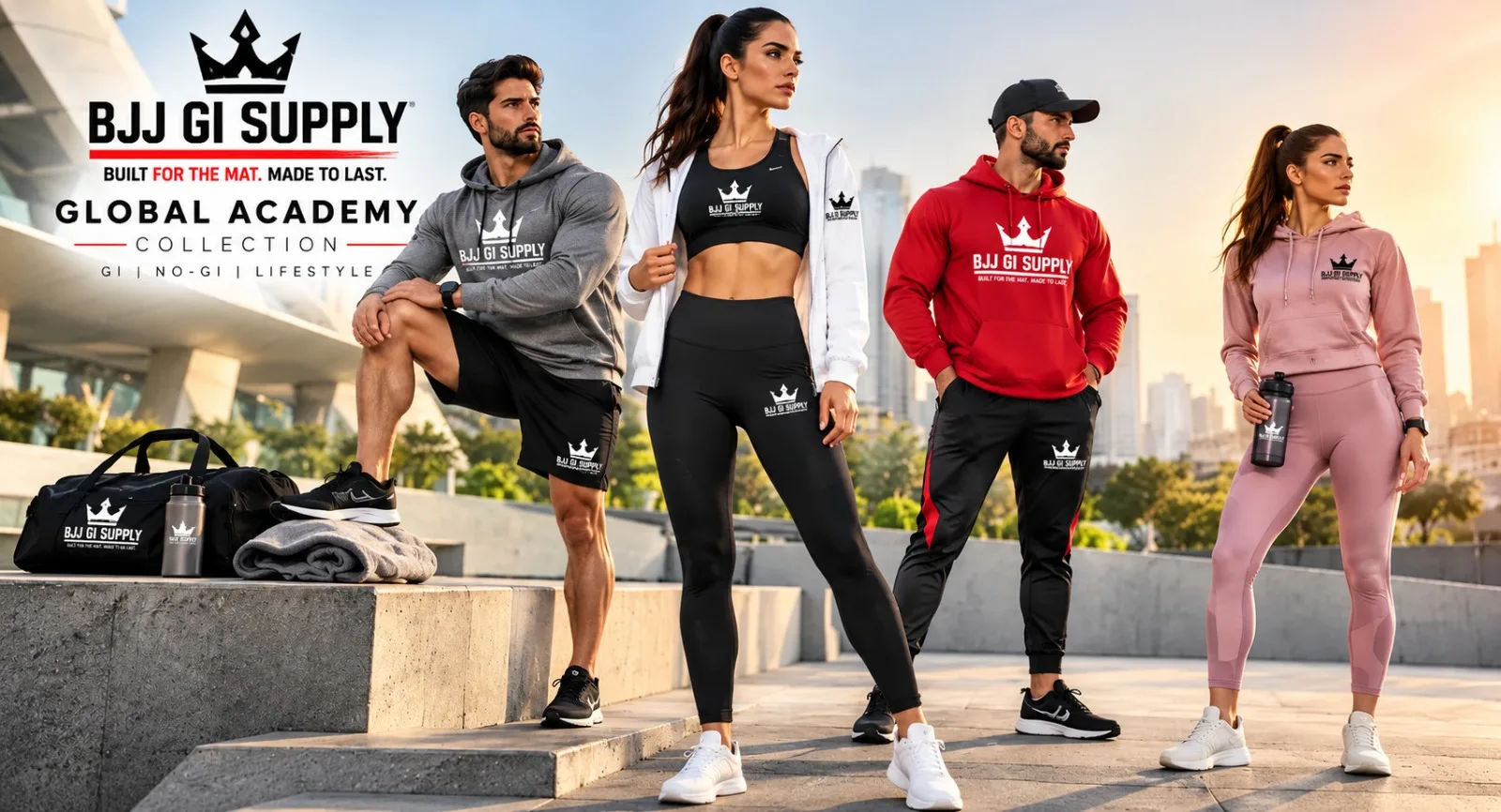
The best material depends on your activity, the weather, and your personal preferences. For example, a runner may need lightweight fabric that dries quickly, while someone practicing yoga may prefer a soft, stretchy material that supports unrestricted movement. Understanding these differences makes it easier to choose clothing that suits your needs.
When shopping for Sports Wears, it is helpful to look beyond color, design, and price. Fabric composition, breathability, moisture management, durability, and fit all play important roles in determining whether a garment will perform well during exercise. By learning about these features, you can make smarter purchasing decisions and find clothing that remains comfortable over time.
Your Sports and Exercise Needs
Before choosing a fabric, consider the activity you perform most often. Different sports place different demands on clothing, so one material may not work equally well for every purpose.
Running and Cardio Workouts
Running, cycling, aerobics, and other cardiovascular activities often produce significant amounts of sweat. For these exercises, choose lightweight fabrics that move moisture away from your skin and dry quickly.
Polyester and polyester blends are popular choices because they are lightweight, durable, and suitable for moisture-management finishes. Nylon can also work well because it is strong and often feels smooth against the skin.
Look for garments with breathable panels or mesh sections, especially if you exercise outdoors in warm weather.
Weightlifting and Strength Training
Strength training requires clothing that can handle repeated stretching, friction, and movement.
A blend of polyester and elastane is often suitable because it combines durability with flexibility. Elastane, also called spandex, helps clothing stretch as you bend your knees, raise your arms, or perform squats.
For weightlifting, choose fabrics that feel secure without restricting movement. Seams should be strong enough to withstand regular training, while the material should not become uncomfortable when stretched.
Yoga, Pilates, and Stretching
Sports Wears jiu jitsu gi involve bending, twisting, and holding different body positions. Softness and flexibility are particularly important for these activities.
Nylon-elastane blends, polyester-elastane blends, and some cotton blends can provide the stretch and comfort needed for these exercises.
Choose leggings, tops, or other garments that remain in place during movement. Fabric opacity is also important, especially when the material stretches around the hips, knees, or waist.
Outdoor Sports
Outdoor activities expose clothing to changing temperatures, sunlight, wind, and sometimes rain.
For hiking, football, tennis, and outdoor training, consider fabrics that balance breathability, durability, and moisture management.
You may also need specialized features such as ultraviolet protection, wind resistance, or water resistance, depending on the activity.
2. Learn About the Most Common Sportswear Materials
Understanding the main fabric types helps you compare garments and identify the most suitable options.
Polyester
Polyester is one of the most widely used materials in athletic clothing.
It is lightweight, durable, and generally dries faster than cotton. It also resists shrinking and wrinkling when properly cared for.
These qualities make polyester useful for running shirts, football jerseys, gym tops, shorts, and training trousers.
However, polyester does not automatically guarantee excellent breathability or odor control. Its performance depends on the fabric construction, thickness, and any special treatments applied during manufacturing.
For frequent workouts, look for polyester garments designed specifically for athletic use.
Nylon
Nylon is known for its strength, smooth texture, and resistance to abrasion. It is commonly used in leggings, fitted tops, sports bras, and other garments that need to withstand repeated movement.
Many people appreciate nylon because it can feel soft and comfortable against the skin.
When blended with elastane, it provides a useful combination of stretch, flexibility, and durability.
Nylon is often a good choice for activities involving repeated bending, stretching, and contact with exercise equipment.
Cotton
Cotton is a natural fiber valued for its softness and comfort.
It works well for everyday clothing, light exercise, walking, and low-intensity activities. Some people also prefer cotton because it feels familiar and allows air to circulate when the fabric is loosely woven.
However, cotton absorbs moisture and can remain wet for longer than many synthetic athletic fabrics. During intense exercise, this may leave clothing feeling heavy or damp.
For long runs, high-intensity training, and hot-weather workouts, moisture-managing synthetic fabrics may be more comfortable.
Cotton blends can provide a useful balance between softness and performance.
Elastane or Spandex
Elastane is a highly stretchable fiber commonly added to other materials.
It allows clothing to stretch and recover its original shape, making it useful for leggings, fitted shorts, sports bras, and compression garments.
Even a relatively small percentage of elastane can improve flexibility.
However, stretch alone is not enough. The garment must also have suitable construction, adequate coverage, and sufficient support for the intended activity.
Merino Wool
Merino wool is a natural fiber often used in hiking clothes, base layers, and outdoor athletic garments.
It can help regulate temperature and manage moisture while offering useful odor-resistance properties.
Merino wool is particularly attractive for activities in cooler conditions, including hiking, walking, and endurance exercise.
However, it is often more expensive than standard synthetic fabrics, and its durability depends on the garment's construction and fiber blend.
For hot, high-intensity workouts, a lightweight technical fabric may be a more practical option.
3. Prioritize Moisture Management
Sweat management is one of the most important factors when choosing exercise clothing.
During physical activity, your body produces sweat to help regulate its temperature. Clothing that stays wet against your skin can become uncomfortable and may contribute to chafing.
What Is Moisture-Wicking Fabric?
Moisture-wicking fabric is designed to move sweat away from the skin toward the outer surface of the material, where it can spread and evaporate.
Polyester and nylon athletic fabrics are often engineered for this purpose.
However, moisture-wicking performance varies between products. A fabric's construction, surface treatment, thickness, and fit can all influence how effectively it manages sweat.
Read product descriptions carefully rather than assuming every synthetic garment has the same performance.
Why Quick-Drying Materials Matter
Quick-drying clothing can be useful during long workouts, outdoor training, and repeated exercise sessions.
If your clothing dries quickly, you are less likely to remain in damp fabric after exercise. This can improve comfort, especially when the weather is warm or humid.
Quick-drying garments can also be easier to wash and prepare for frequent use.
For people who exercise several times a week, investing in a few well-made, quick-drying outfits can make a noticeable difference.
4. Check Breathability and Ventilation
Breathability describes how easily air and water vapor move through a fabric.
A breathable garment can help release heat and moisture, supporting comfort during exercise.
Choose Fabric According to Temperature
In hot weather, lightweight fabrics and breathable construction can help reduce the feeling of overheating.
Look for mesh panels, ventilation zones, and fabrics that do not feel excessively thick.
In colder conditions, however, you may need materials that provide insulation while still allowing moisture to escape.
The right choice depends on the temperature, humidity, wind, and intensity of your activity.
Understand Fabric Thickness
Thicker fabric is not always better, and thinner fabric is not always more comfortable.
A thick garment may provide warmth and coverage but could feel too hot during intense training. A very thin garment may be comfortable in summer but offer insufficient insulation or coverage in cooler weather.
Consider the fabric's purpose rather than judging it by thickness alone.
5. Evaluate Stretch, Flexibility, and Fit
A good athletic garment should support movement without creating unnecessary pressure or discomfort.
Look for Four-Way Stretch
Four-way stretch materials can stretch both lengthwise and across the width of the fabric.
This can be useful for yoga, gym training, dance, and other activities involving multidirectional movement.
However, the quality of the stretch depends on the blend, knitting method, and garment design.
A fabric that stretches easily but loses its shape quickly may not be a good long-term investment.
Avoid Clothing That Restricts Movement
Clothing that is too tight may limit your range of motion or create uncomfortable pressure.
Clothing that is too loose may shift during running, cycling, or certain gym exercises.
Choose a fit that suits the activity. Fitted clothing may work well for cycling or yoga, while relaxed shirts and shorts may be preferable for walking or casual training.
When trying on garments, bend, squat, reach overhead, and move naturally to check for discomfort.
6. Consider Durability and Fabric Quality
Workout clothing is often washed frequently and exposed to sweat, friction, and repeated stretching.
Durability therefore matters just as much as initial comfort.
Inspect Seams and Stitching
Strong stitching helps prevent seams from opening during movement.
Flat seams can also reduce friction in areas where fabric touches the skin repeatedly.
Check the garment around the waistband, underarms, crotch, and other areas that experience significant movement.
A good fabric cannot compensate for poorly constructed seams.
Look for Shape Retention
Some garments gradually lose elasticity or become misshapen after repeated washing.
To reduce this risk, check the care instructions and choose products made for frequent athletic use.
Avoid exposing elastane-rich garments to excessive heat unless the label specifically permits it.
Following the manufacturer's washing and drying instructions can help extend the life of your clothing.
Test Opacity and Colorfastness
For leggings, fitted shorts, and sports bras, opacity is important.
The material should provide suitable coverage during movement, not only when standing still.
Stretch the fabric gently under good lighting to check whether it becomes transparent.
You should also look for signs of poor dye quality, such as excessive color transfer during washing. Following the care label can help reduce fading and preserve the garment's appearance.
7. Choose Materials for Different Weather Conditions
Climate plays an important role in deciding which fabric will be most comfortable.
Sportswear for Hot Weather
For warm and humid conditions, consider lightweight polyester or nylon fabrics designed for moisture management.
Loose-fitting garments may improve airflow, while well-designed fitted clothing can also perform effectively if the material is breathable.
Light colors can be useful in sunny environments because they generally absorb less visible sunlight than dark colors.
For outdoor sports, consider clothing with an appropriate ultraviolet protection rating if you need additional protection from the sun.
Sportswear for Cold Weather
In cold conditions, layering is often more effective than relying on one thick garment.
A moisture-managing base layer can help keep sweat away from the skin. An insulating middle layer can retain warmth, while an outer layer can provide protection from wind or rain.
Merino wool and synthetic base-layer fabrics are common options.
Cotton is generally less suitable as a base layer during strenuous exercise in cold weather because it can retain moisture and become uncomfortable.
Sportswear for Rainy Conditions
If you exercise outdoors in wet weather, look for water-resistant or waterproof outerwear.
These terms are not interchangeable. Water-resistant materials offer some protection from moisture, while waterproof garments are designed to provide stronger protection under specified conditions.
A waterproof garment may also limit airflow, so ventilation features are important during intense activity.
8. Understand Sustainable Fabric Choices
Environmental impact is another factor worth considering when buying athletic clothing.
Many conventional synthetic fabrics are made from fossil-fuel-based materials. They can also release tiny plastic fibers during washing.
Recycled polyester uses recovered plastic materials as a feedstock, although its environmental benefits depend on the production process, product lifespan, and end-of-life disposal.
Natural fibers, including cotton and wool, have different environmental impacts related to farming, water use, processing, and transportation.
Look Beyond Marketing Claims
Words such as "eco-friendly" or "green" do not automatically prove that a garment has a low environmental impact.
Look for clear information about fiber composition, recycled content, manufacturing standards, and durability.
Independent certifications may provide additional information, depending on what they cover.
Buy Fewer, Better-Made Garments
One practical approach is to choose clothing that lasts longer and suits multiple activities.
A durable training shirt that remains comfortable after many washes may provide better long-term value than a cheaper garment that quickly loses its shape.
Wash clothing according to its care label, avoid unnecessary high-temperature drying, and repair minor damage when practical.
These habits can help reduce waste and extend the useful life of your athletic wardrobe.
9. Compare Price With Performance
Wash clothing according to its care label, avoid unnecessary high-temperature drying, and repair minor damage when practical.
These habits can help reduce waste and extend the useful life of your athletic wardrobe.
Conclusion
Choosing the best clothing for heavy sweating begins with understanding how different fabrics manage moisture. Lightweight polyester is an excellent everyday choice for intense workouts because it dries quickly and is widely available. Nylon blends offer softness, stretch, and comfort, while lightweight merino wool can be useful when odour resistance and temperature regulation are priorities.
The best Sports Wears combine suitable fabric with good ventilation, comfortable construction, and a fit that supports your activity. Moisture-wicking shirts, breathable shorts, suitable compression garments, quick-drying underwear, athletic socks, and breathable footwear can all contribute to a more comfortable workout.
It is equally important to avoid clothing that stays wet, traps excessive heat, or causes friction. Heavy cotton may be comfortable for casual wear, but performance fabrics are generally a better choice for demanding exercise and hot weather.Before purchasing new Sports Wears, consider your workout routine, climate, budget, and personal preferences. Check the fabric label, examine the stitching, and make sure the clothing allows you to move freely. Remember that no garment can prevent sweating completely, so proper hydration, suitable exercise conditions, and good hygiene remain essential.