Burgers are loved around the world because they combine savory meat, soft buns, melted cheese, and flavorful toppings in one satisfying meal. However, for Muslims who follow Islamic dietary guidelines, choosing a burger involves more than looking at its taste or appearance. The source of the meat, the slaughtering process, and the ingredients used in preparation are all important considerations.
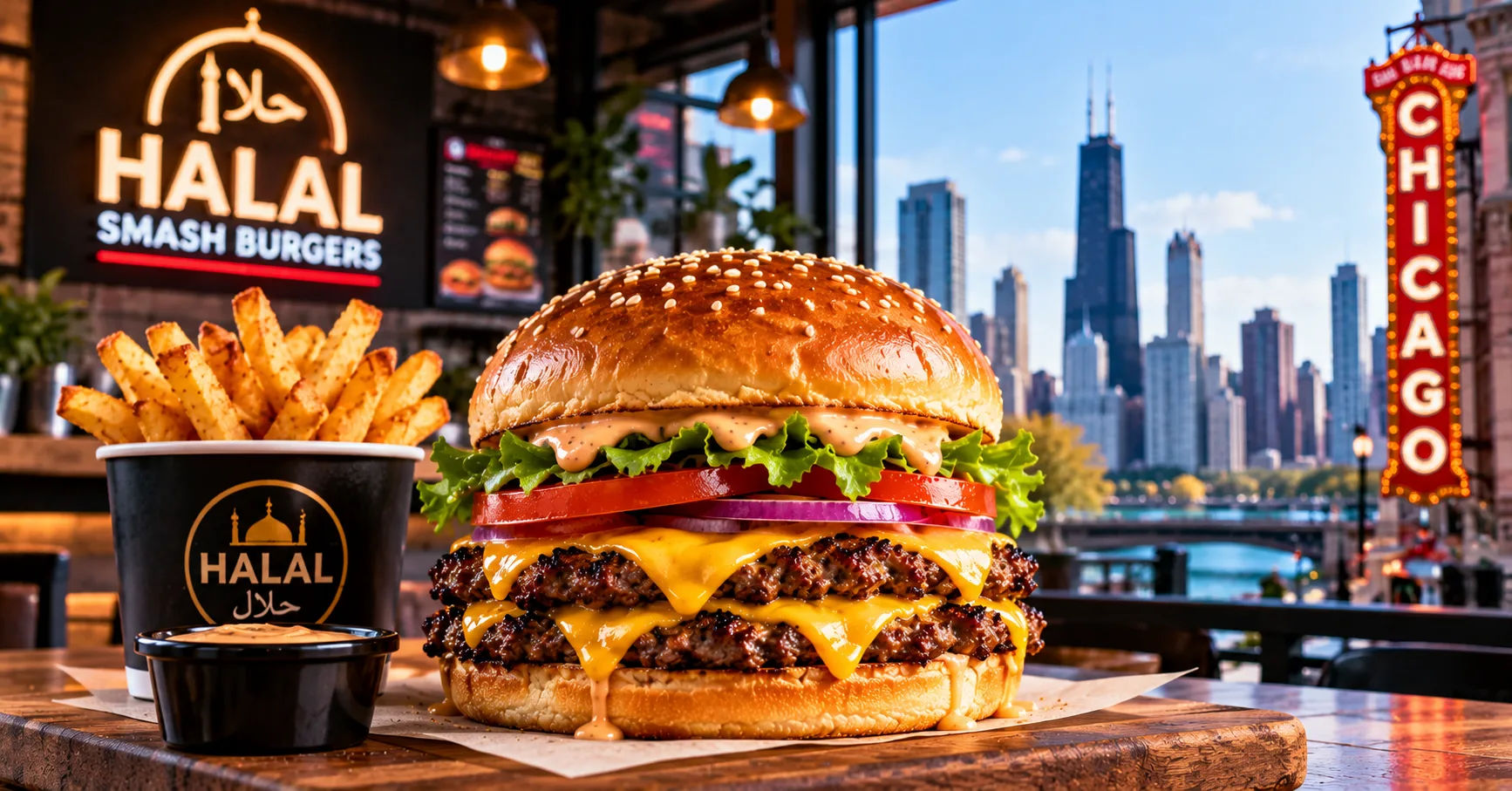
One popular option is Zabiha Halal Burgers, which are prepared using beef that meets applicable Islamic slaughter requirements. These burgers can be made from different cuts of cattle, including chuck, brisket, and sirloin, depending on the desired flavor, texture, fat content, and cooking method. The exact blend varies between restaurants, but the goal is usually to produce a juicy, flavorful patty while maintaining halal standards.
Understanding which beef cuts are commonly used can help customers make informed choices and help home cooks prepare better burgers. It is also useful to understand the difference between halal beef and Zabiha halal beef, how ground beef is produced, and why fat content matters so much when cooking a burger.
This comprehensive guide explains the types of beef commonly used in these burgers, how different cuts affect flavor and texture, how to identify trustworthy halal sourcing, and what to consider when preparing or ordering a burger.
What Are Zabiha Halal Burgers?
Zabiha halal burgers are burgers made with meat obtained and handled according to applicable Islamic dietary requirements, including the prescribed slaughter process commonly referred to as zabiha.
The word zabiha is associated with the Islamic method of slaughtering permissible animals. In general, the animal must be an eligible species, such as cattle, and the slaughter must satisfy the relevant religious requirements. Interpretations and certification standards can vary, so people who follow a particular scholarly or certification standard may wish to check its specific rules.
Beef is a common choice because it offers a rich, savory flavor and works well in both thick and thin burger patties.
The term halal means permissible under Islamic law. Although the words are closely related in this context, they do not describe the type of beef cut. Instead, they describe whether the meat and its handling meet the relevant religious requirements.
A burger made from chuck, brisket, or sirloin can qualify as Zabiha halal if the meat is appropriately sourced and the preparation complies with applicable standards. The cut itself does not determine whether the beef is halal.
Restaurants may use different blends depending on their recipes, suppliers, and preferred burger style. Some favor chuck for its balance of flavor and fat, while others combine several cuts to achieve a particular texture.
What Type of Beef Is Commonly Used?
Most beef burgers are made from ground beef rather than a single intact steak. Ground beef can be produced from one cut or from a blend of several cuts.
The choice affects the patty's flavor, juiciness, texture, and cooking performance. When preparing Zabiha halal burgers, the meat must meet the relevant halal requirements regardless of the cut selected.
1. Beef Chuck
Beef chuck is one of the most popular choices for burger patties. It comes from the shoulder area of the animal and contains a useful balance of muscle, connective tissue, and fat.
This combination gives chuck a strong beef flavor. When ground and cooked properly, it can produce a juicy patty with a satisfying texture.
Chuck is especially popular for homemade burgers because it can deliver excellent results without requiring an expensive cut of meat. A blend containing approximately 20% fat is often preferred for a rich, juicy burger, although the ideal ratio depends on the cooking method and personal taste.
For restaurants, chuck is also practical because it can provide consistent results when purchased from a reliable supplier.
2. Beef Brisket
Brisket comes from the lower chest area of the animal. It is well known for its flavor and is often used for slow cooking, smoking, and barbecue.
When ground for burgers, brisket can contribute a rich, beefy taste. Its fat content varies according to the section and trimming, so it may be blended with leaner beef to create a balanced patty.
Brisket can work particularly well in premium burger blends. However, using brisket alone does not automatically guarantee a better burger. The result depends on the meat's fat content, freshness, grinding method, and cooking technique.
For Zabiha halal burgers, brisket is suitable when its source and handling meet the required halal standards.
3. Beef Sirloin
Sirloin comes from the back of the animal near the hip. It is known for its beefy flavor and is generally leaner than many chuck cuts.
Ground sirloin can provide a clean, pronounced meat flavor. However, because it often contains less fat, a patty made entirely from sirloin may become drier than one made with a fattier blend.
For this reason, some cooks combine sirloin with chuck or brisket. The sirloin contributes flavor, while the additional fat helps improve juiciness.
Sirloin is often associated with premium burgers, but it is not essential for every recipe. A well-prepared chuck patty can be equally satisfying.
4. Beef Round
Beef round comes from the rear leg of the animal. It is typically leaner than chuck and can be a practical option when a lower-fat ground beef blend is desired.
Its relatively low fat content means that it may not provide the same juiciness as fattier cuts when used alone. A burger made from round can still taste good, but careful cooking becomes especially important.
Some commercial blends combine lean round with a fattier cut to balance cost, flavor, and texture.
The important consideration is the overall composition of the ground beef rather than the name of the cut alone.
Why Is Fat Content Important in Burger Beef?
Fat content is one of the most important factors in determining how a burger tastes and feels when you bite into it. Even high-quality beef can produce a disappointing patty if it is too lean for the chosen cooking method.
Fat contributes flavor, helps the meat remain moist, and improves the overall eating experience. During cooking, some of the fat melts and contributes to the burger's savory character.
The 80/20 Beef Ratio
A commonly recommended starting point for juicy burgers is ground beef containing approximately 80% lean meat and 20% fat. This is often written as an 80/20 ratio.
The ratio works well for many grilled and pan-fried burgers because it provides enough fat for flavor without making the patty excessively greasy.
For example, a restaurant might use chuck with a suitable fat content or combine chuck and brisket to achieve the desired balance. The exact blend is a recipe choice rather than a requirement of halal preparation.
Can Lean Beef Be Used?
Yes. Lean beef can be used when someone prefers a less fatty burger. However, the cooking method and additional ingredients may need adjustment to prevent the patty from becoming dry.
Lean beef is particularly easy to overcook when formed into thin patties. Monitoring the cooking process and using a thermometer can help produce a safe and satisfying result.
It is also worth remembering that halal status and nutritional composition are separate issues. A burger made with lean beef is not automatically more halal than one made with fattier beef; both must meet the relevant dietary requirements.
How Is Beef Prepared for Zabiha Halal Burgers?
The preparation process begins before the beef reaches the grill. Meat sourcing, inspection, storage, grinding, and handling all contribute to the quality and suitability of the finished burger.
Step 1: Selecting Halal Beef
The butcher or supplier selects beef from cattle that meet the relevant Islamic dietary requirements. The slaughter process must satisfy the applicable halal standard.
Customers who want additional assurance can look for certification from a credible halal certification body or ask the supplier about its sourcing practices.
A cut such as chuck or brisket does not become halal simply because it is beef. Its source and processing matter.
Step 2: Trimming and Preparing the Meat
The butcher trims away unwanted connective tissue, gristle, and excess material according to the intended recipe.
Some fat is retained because it contributes to flavor and juiciness. The amount depends on the cut and the target fat ratio.
Good trimming helps produce a more consistent texture and reduces the likelihood of tough pieces appearing in the finished patty.
Step 3: Grinding the Beef
The selected beef is passed through a meat grinder to produce ground meat. The grinder's plate size influences the texture of the final product.
A coarser grind can create a more noticeable meat texture, while a finer grind produces a more uniform mixture. Neither is automatically superior; the choice depends on the style of burger being prepared.
The equipment should be clean and managed to prevent cross-contact with non-halal ingredients.
Step 4: Blending Different Cuts
Some recipes use a single cut, while others combine two or more cuts. A chuck-and-brisket blend, for example, can provide a balance of beefy flavor and fat.
A leaner cut such as sirloin may also be added when the cook wants a different flavor profile.
There is no single mandatory blend for Zabiha halal burgers. Restaurants develop their own recipes based on cost, availability, consistency, and customer preferences.
Step 5: Forming the Patties
The ground beef is divided into portions and shaped according to the intended cooking style.
Traditional burgers are usually formed into thicker discs. Smash burgers begin as loose balls that are pressed onto a hot griddle during cooking.
Avoid overworking the meat. Excessive handling can make the texture dense, particularly when the ground beef is packed too firmly.
Step 6: Cooking the Beef
The patties may be grilled, pan-fried, or cooked on a flat griddle. Each method produces a slightly different result.
A grill can create a smoky flavor, while a flat griddle is particularly useful for developing the browned crust associated with smash burgers.
For food safety, ground beef should reach an internal temperature of 71°C (160°F), checked with a food thermometer. This is important because grinding can distribute bacteria throughout the meat.
Does the Cut of Beef Affect the Taste?
Yes. Different cuts have different levels of fat, muscle structure, and flavor, so the choice can noticeably affect the finished burger.
Chuck is valued for its balance of fat and beef flavor. Brisket can add richness, while sirloin offers a distinct taste and is often leaner. Round can provide a leaner base when combined with other cuts.
However, the cut is only one part of the equation. Freshness, grinding, patty thickness, seasoning, and cooking temperature all influence the final result.
For example, a carefully cooked chuck patty may taste better than an overcooked premium blend. Likewise, adding expensive cuts will not necessarily improve a burger if the fat ratio is unsuitable.
The best beef is therefore the one that meets your dietary requirements and produces the texture and flavor you enjoy.
Zabiha Halal Burgers Compared With Other Burgers
It is useful to distinguish between the beef used in a burger and the religious requirements governing its source and preparation.
The table shows that halal status does not require a particular cut of beef. The difference concerns sourcing and preparation, not an entirely different species or special category of meat.
A burger made from chuck can be halal or non-halal depending on its source and handling. The same principle applies to brisket, sirloin, and other beef cuts.
How to Choose the Best Beef for Homemade Burgers
If you are preparing burgers at home, you do not need to purchase the most expensive cuts available. A good balance of flavor, fat, freshness, and reliable halal sourcing is usually more important than the price of the meat.
Buy From a Reliable Halal Butcher
Choose a butcher who can explain where the beef comes from and how its halal status is established. If certification is available, check that it comes from a credible organization.
This is particularly important when purchasing pre-ground beef because you may not be able to identify the original cuts by looking at the finished product.
Check the Appearance and Smell
Fresh ground beef should have a clean, normal smell and should not feel excessively sticky or slimy. Color alone cannot reliably establish freshness or safety, so also consider the use-by date, storage conditions, and supplier's handling practices.
Keep the meat refrigerated and transport it home promptly.
Ask About the Fat Ratio
If you want a juicy burger, ask whether the butcher can provide ground beef with approximately 20% fat. If you prefer a leaner patty, you can choose a lower-fat blend and adjust the cooking technique accordingly.
A butcher may also be able to prepare a custom chuck-and-brisket blend, provided the meat is appropriately sourced and handled.
Grind the Beef at Home if Practical
Grinding beef at home gives you greater control over the cuts and fat ratio. Use clean equipment, keep the meat cold, and cook or refrigerate the ground beef promptly.
Grinding at home does not automatically make the meat halal. You must still verify the source of the beef and prevent contamination from unsuitable ingredients or equipment.
Common Questions About Zabiha Halal Burger Beef
Is Chuck the Best Beef for Halal Burgers?
Chuck is an excellent all-purpose option because it often offers a useful balance of flavor and fat. However, there is no universal best cut. Brisket, sirloin, and blends of different cuts can also produce excellent burgers.
For many home cooks, chuck with a suitable fat ratio is a practical starting point.
Are Zabiha Halal Burgers Always Made From Pure Beef?
No specific cut or blend is required simply because a burger is zabiha halal. Beef is common, but other permissible meats may also be used in halal burger recipes.
If you want a beef-only patty, check the ingredient information and ask the supplier whether the product contains any other meat or additives.
Can Brisket and Chuck Be Mixed Together?
Yes. A chuck-and-brisket blend can offer a rich flavor and satisfying texture. The best proportions depend on the fat content of each cut and the result the cook wants to achieve.
The blend should be prepared from properly sourced halal beef using appropriate food-handling procedures.
Does Halal Beef Taste Different?
Halal status itself does not guarantee a particular flavor. Taste is influenced more directly by the cut, fat content, freshness, seasoning, and cooking technique.
A well-prepared halal beef patty can be just as flavorful and juicy as any other well-prepared beef burger.
How Can Customers Verify That a Restaurant Uses Zabiha Beef?
Ask the restaurant about its supplier, certification, and food-handling procedures. A credible halal certificate can provide additional assurance, although certification systems and standards vary.
If you follow a particular halal authority, check whether the restaurant's certification or stated practices align with that authority's requirements.
Conclusion
The beef used in Zabiha halal burgers can come from several cuts of cattle, including chuck, brisket, sirloin, and round. Each cut offers different qualities, and the best choice depends on the desired flavor, texture, fat content, and cooking method.
Chuck is a popular option because it often provides a good balance of fat and beefy flavor. Brisket can add richness, while sirloin contributes a distinct flavor and is generally leaner. Combining cuts allows cooks and restaurants to create a blend that suits their preferred recipe.
However, selecting the right cut is only part of preparing a suitable burger. The beef must come from an appropriate halal source, meet the applicable zabiha slaughter requirements, and be handled in a way that prevents contamination. Other ingredients and preparation practices should also meet the relevant dietary standards.
For home cooking, ground chuck with approximately 20% fat is a practical starting point. You can experiment with brisket or sirloin, adjust the fat ratio, and choose between grilling, pan-frying, and griddle cooking to find your preferred result.
When buying prepared patties or ordering from a restaurant, do not assume that a particular cut automatically guarantees halal status. Ask about sourcing and certification when necessary, and consider food safety alongside religious requirements.
Ultimately, the best Zabiha Halal Burgers combine reliable halal sourcing with suitable beef, balanced fat content, careful preparation, and proper cooking. By understanding the differences between beef cuts and how they affect a patty, you can make more informed choices and enjoy a burger that meets your dietary requirements without compromising on flavor.